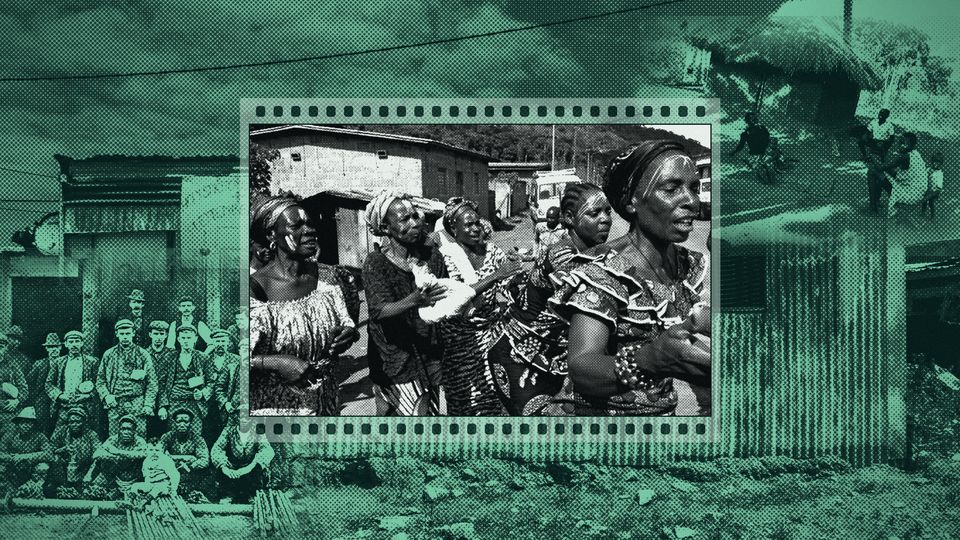
When Botswana became independent on 30 September 1966, it was one of the poorest countries in the world. Its embassy describes a per-capita income equivalent to about US$80, three secondary schools and only a few kilometres of paved road. A year later, geologists found the first diamond-bearing kimberlite pipe at Orapa. Many countries have discovered great mineral wealth. Few have turned it into schools, roads and savings. Botswana is one of them, and the way it did it holds lessons for anyone who receives a windfall, whether a nation or a family.
Decision one: the minerals belong to everyone
Before independence, rights to what lay under the ground were tangled, with some held by individual tribes and some already granted to mining companies. In 1967, the same year as the Orapa discovery, the new parliament passed legislation that vested mineral rights in the state. Under the Mineral Rights in Tribal Territories Act, seven tribes surrendered their mineral rights to the republic.
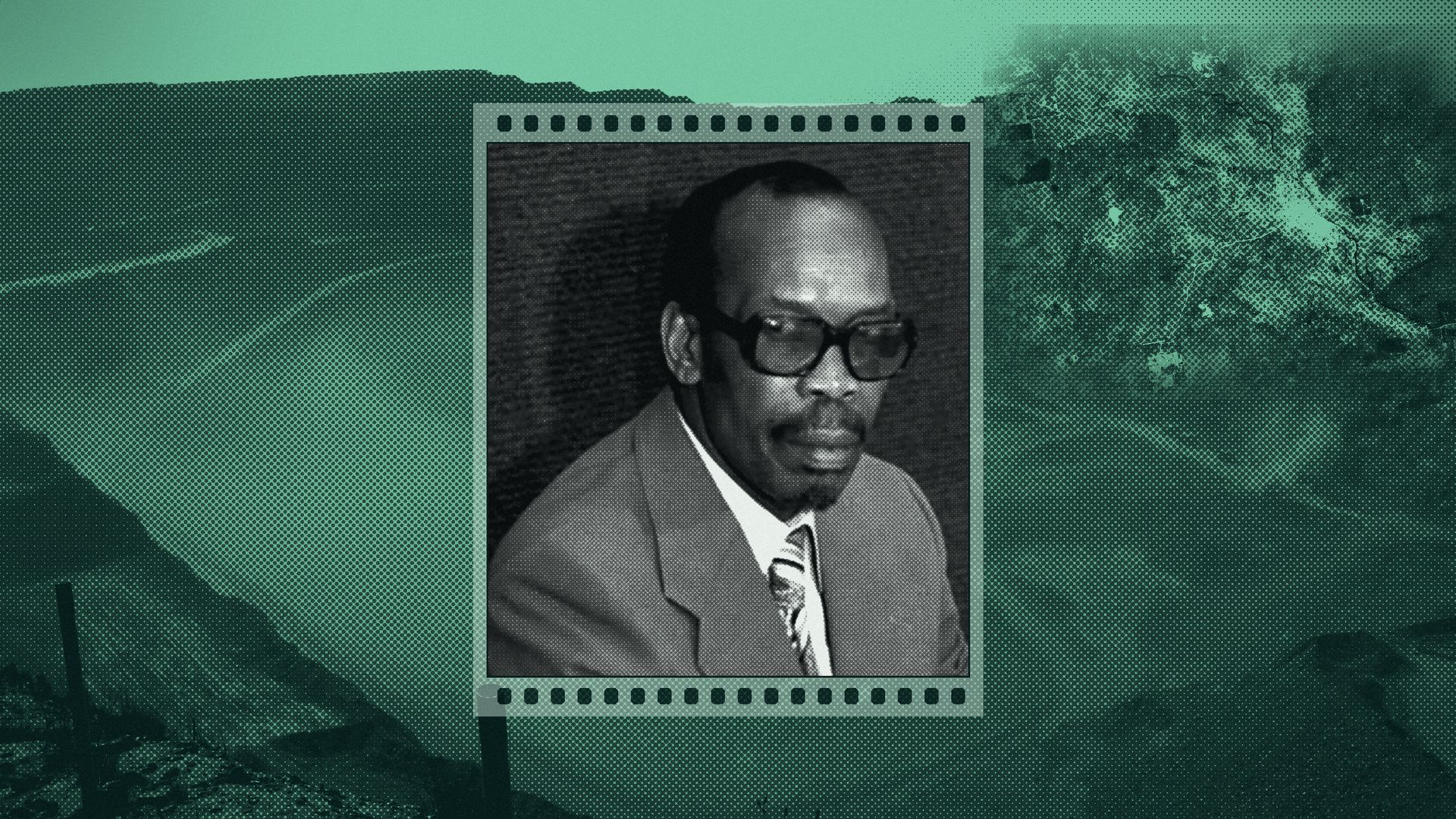
The decision was all the more striking because the first major deposits lay in the territory of the Bangwato, whose hereditary chief was Seretse Khama, the country’s first president. Economists Daron Acemoglu, Simon Johnson and James Robinson have argued that by moving diamond rights away from his own people to the nation, Khama lowered the stakes of politics and helped Botswana avoid the conflicts over resources that have damaged so many other states.

Decision two: become a partner, not a landlord
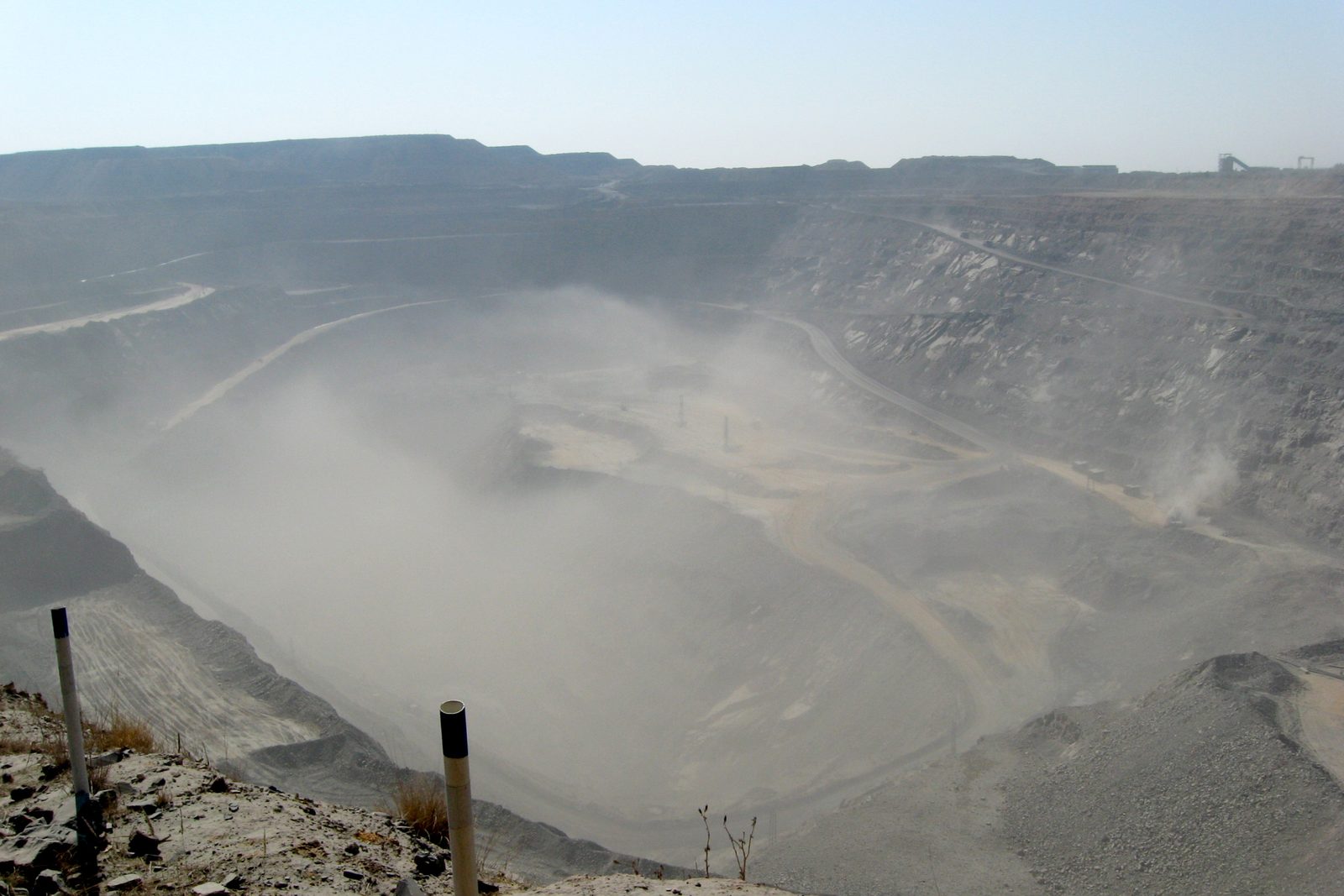
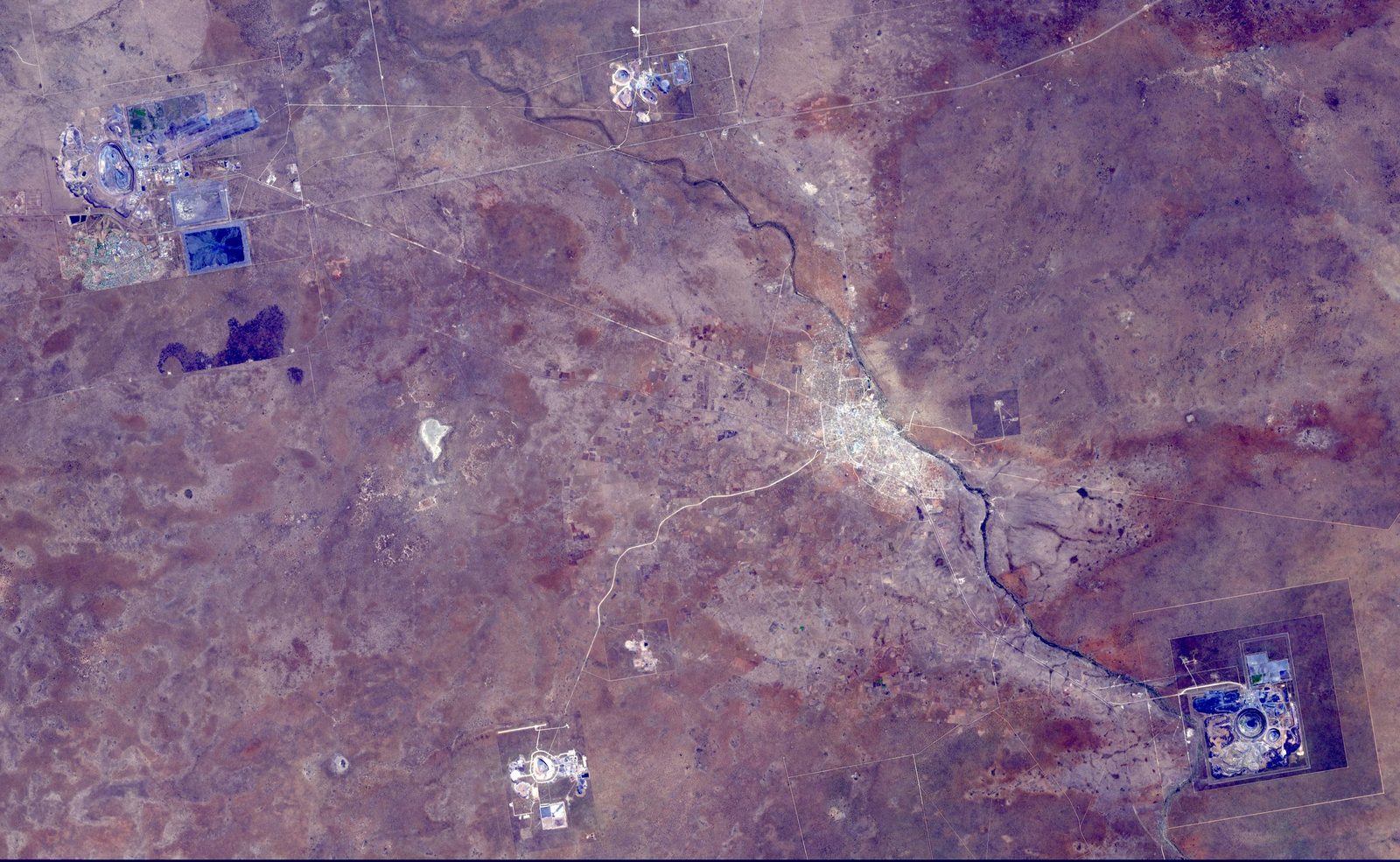
De Beers geologists found the Orapa pipe in April 1967. The De Beers Botswana Mining Company was formed on 23 June 1968, and Orapa began operating in 1971. The government started as a minority shareholder and negotiated its way to an equal stake. Today the company, Debswana, is a 50:50 joint venture between the Government of Botswana and De Beers.
That structure gave Botswana more than tax receipts. It gave the state a seat at the table, a share of profits, access to information about the business and the leverage to negotiate again later. The richest discovery came in 1972, when prospectors found the Jwaneng pipe beneath around 40 metres of sand in the Kalahari. Jwaneng reached full production in July 1982 and is often described as the world’s richest diamond mine by value.
Decision three: spend the windfall on assets, not on the moment
Botswana built its public finances around a simple idea that economists call the Sustainable Budgeting Principle. Because diamonds are a non-renewable resource, money earned from mining them should be reinvested in other assets: physical infrastructure such as roads, water and power; human capital such as health and education; or financial assets. Mineral income was not meant to pay for day-to-day consumption.
Part of the financial savings sits in the Pula Fund, established in 1994 and managed by the Bank of Botswana. It invests foreign reserves above what the country needs for day-to-day trade in international stocks and bonds. At the end of 2023, the fund’s assets were equal to about 20 per cent of GDP, according to the IMF.
The results were remarkable. A 2003 UNCTAD review described Botswana as having had one of the fastest growth rates in the world for three decades, and as the only country to have graduated from the United Nations’ category of least developed countries at that time.
Renegotiating from strength
Partnership also meant Botswana could keep improving its terms. In July 2023, after long negotiations, the government and De Beers agreed a new ten-year sales agreement and new 25-year mining licences running to 2054. The state-owned Okavango Diamond Company would receive 30 per cent of Debswana’s output from the start of the new contract, rising to 50 per cent by its final year. De Beers also committed funding to help diversify Botswana’s economy.
The test: when the windfall shrinks
No resource lasts forever, and sometimes the market moves first. Demand for natural diamonds fell sharply in 2023 and 2024, as laboratory-grown stones took market share, buyers shifted to other luxuries and demand from China weakened. The IMF reports that Botswana’s mining output fell by 24 per cent in 2024 and the economy contracted by 3 per cent. Unemployment remains high, particularly among young people.
This is the other half of the lesson. Botswana managed its diamonds better than almost any comparable country, and built savings that now give it room to adjust. But growth outside mining has not been strong enough to replace diamonds, and the country is now working urgently to diversify into sectors such as tourism, services and manufacturing.
What a nation’s windfall teaches a family
Most people will never negotiate with a mining company. But many will receive a windfall: a bonus, an inheritance, the proceeds of selling land, a large contract. Botswana’s three decisions translate surprisingly well.
Practical takeaways
- Agree who owns what before the money arrives. Families and partners who settle ownership early avoid the disputes that destroy value later.
- Prefer equity to a one-off fee where you can. A stake in what you help build compounds; a fee is spent once.
- Treat one-off money as capital, not income. Put windfalls into lasting assets, such as skills, a home, a productive business or a diversified investment, rather than raising everyday spending.
- Diversify before you have to. Botswana’s current challenge is a reminder that a single source of income, however rich, is a risk.
Sources
- Embassy of the Republic of Botswana, Washington DC, Botswana at a glance.
- Debswana, Our history and Corporate profile, 2024.
- Botswana Daily News, How legislation drives mining, 2013.
- Daron Acemoglu, Simon Johnson and James A. Robinson, An African Success Story: Botswana, 2001.
- Keith Jefferis, Management of Botswana’s Diamond Revenues, IMF PFM Blog, July 2024.
- International Monetary Fund, Botswana: Selected Issues, Country Report 2024/287; and 2025 Article IV Consultation, Country Report 25/325.
- UNCTAD, Investment Policy Review: Botswana, 2003.
- Reuters, De Beers agrees to give Botswana more rough diamonds in new sales pact, 1 July 2023.
This article is general information and education, not financial, legal, tax or investment advice. Figures are taken from the sources listed and may since have changed. Past outcomes for any person, company or country do not guarantee future results. Consider your own circumstances and seek advice from an appropriately authorised professional before making financial decisions.